So, continuing on our story – if you missed it, I’ll catch you up, we had just got to the bit where British/Brazilian Luci and Portuguese Nelson moved down to the Algarve – and just like when you move anywhere new, there’s a lot to take in and even more that needs explaining.
Have you ever seen “bread soup” on a menu? If you did, would you order it? Luci didn’t, not for a good while, but it turns out Açorda is so much more than that. A typical dish from the Alentejo, this “soup” isn’t boiled as you may expect.
Olive oil and vinegar are added to crushed salt, coriander, and garlic, and the water used to boil cod or poach eggs is poured over the mixture, while it’s still boiling. This is all poured over bread, sometimes with stock added at the very end. Describing it as “bread soup” doesn’t do it justice!
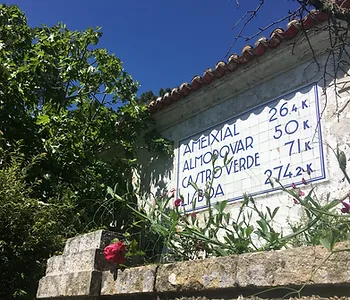
These tile road signs, notable for their traditional blue (azulejo) tiles, are all over the Algarve. Once housing road conservation workers, these houses feature the names of the closest cities on the side, as well as the distance to them. They’re certainly worth looking out for!
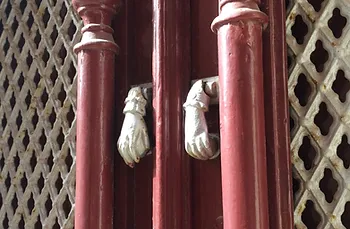
A lesser-known Moorish symbol is the “Hand of Fatima” door knockers, seen on many doors across the Algarve. The hand symbolizes protection for those inside the house and displays the faith of its inhabitants.
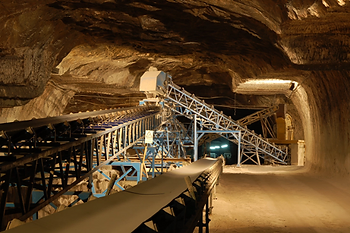
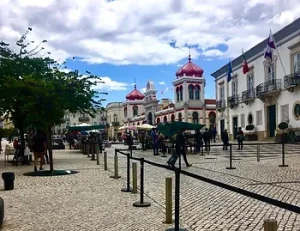
An incredible hidden gem lies within the city of Loulé. Below a strange white triangular structure is a rocksalt mine that’s been there for over 230 million years!
The mine has a fascinating history, including a proposal to use it as a storage facility due to its lack of humidity and earthquake-proof nature. Today, it’s a tourist attraction providing visitors with the chance to explore the depths of the earth.
For a complete description of a trip down to the mine, read Sara Alves’ account here.
Got a burning question about an Algarve tradition you don’t understand or want to share your favourite places in the Algarve with us? Drop us a line at info@translasaurus.com.